
Issaquah Directory Collections by Year
The best verified city directory shelf for Issaquah is the Polk King County series at the Puget Sound Regional Archives, or PSRA. It is regional, not a continuous set printed only for Issaquah. Each volume must be checked for the city, nearby communities, a surname, and a street. Silence in one volume is not proof that a household left.
| Historical source | Date span | Custodian | Access route |
|---|---|---|---|
| Polk King County directories | 1914-1915; 1919-1920; 1922; 1925; 1931; 1938-1940; 1948-1983 | PSRA | Request or appointment; inspect index and front matter |
| Issaquah Independent | 1900-1916 | Issaquah History Museums | Search scans; cite issue and page |
| Issaquah Press | 1916-2017 | Museum and KCLS | Online scans and microfilm |
| Federal census | Public through 1950 | NARA and archive routes | Released household schedules |
| Property Record Cards | 1937-1972 | PSRA | Request by parcel or legal description |
No official source identified a complete Issaquah reverse or criss-cross run. Ask PSRA and UW Special Collections about King County phone books or reverse indexes, but request a catalog record before assuming a year survives. PSRA takes email and phone requests even when in-person research is closed Monday and Tuesday. Appointments run Wednesday through Friday. Viewing archival records is generally free; copies and special research can cost.
Issaquah Museum Catalog Clues
The Issaquah History Museums catalog holds digitized photos, letters, documents, and oral histories. Digitization began in 2011, and staff and volunteers still refine descriptions. Save the item number, title, date, people, place, description, and image link. A catalog record is a finding aid, so compare it with the item and a second source.
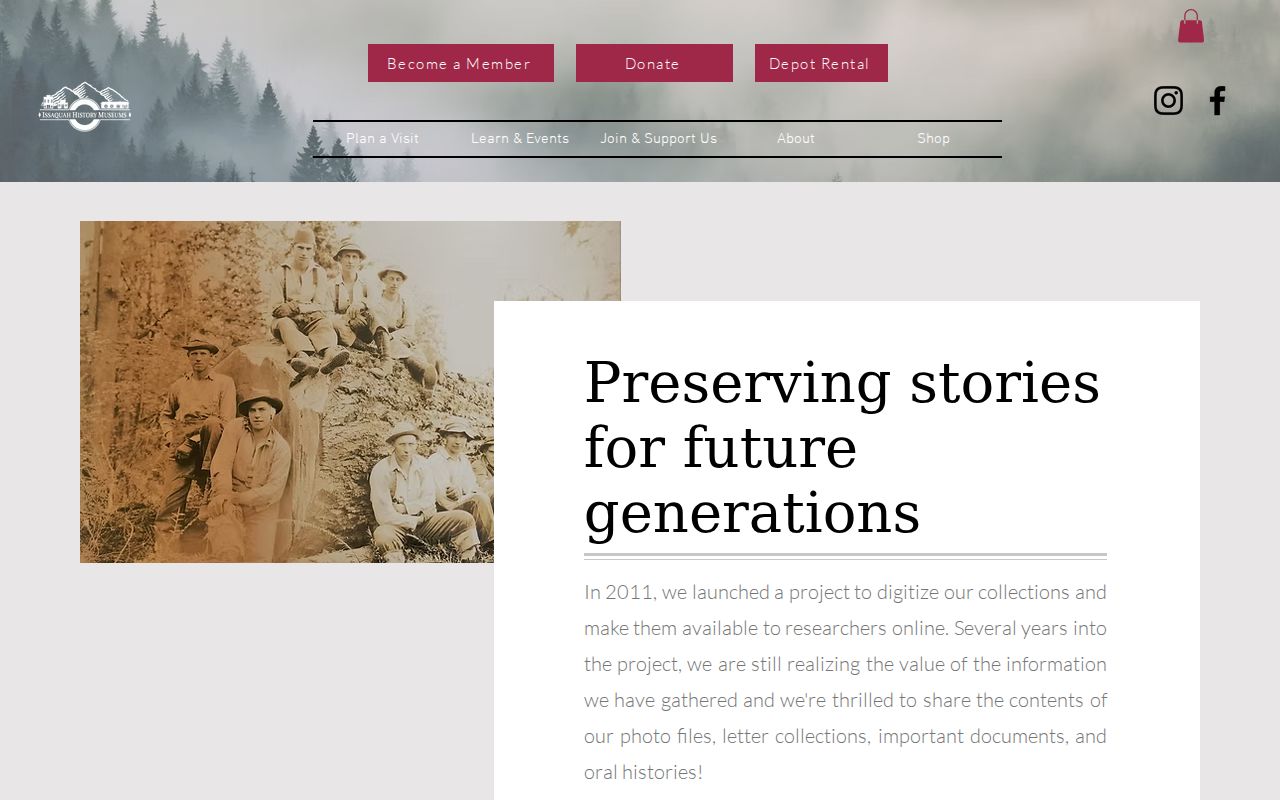
The captured search screen is useful when a city directory entry gives a business, landmark, or family name. Those terms can uncover a caption or oral history that explains who the entry describes.
Decode an Issaquah Directory Entry
Copy the whole entry before interpreting it. Polk-style listings may combine a name, initials, household notation, work, employer, street address, and community. The abbreviation key in that volume controls shortened terms. Never expand a code from memory or from another year's book.
| Printed name | Keep spelling, initials, and punctuation unchanged. |
|---|---|
| Household notation | Record spouse, relative, widow, or boarder marks. |
| Work | Copy the occupation and employer to separate same-name people. |
| Address | Keep house number, street, apartment, or rural route. |
| Citation | Save publisher, year, page, and index letter. |
- Criss-cross directory
- A book arranged by street or phone number instead of surname.
- Householder index
- A list centered on the person associated with each address.
- Abbreviation key
- The volume's own chart explaining shortened words and marks.
An entry may identify a renter, boarder, firm, or institution. It is not a deed and does not prove legal ownership. Repeated listings at one address add weight, but confirm the person in a census, newspaper, property record, or vital source.
Issaquah Press Bridges Directory Gaps
The Independent covers 1900 through 1916, and the Press covers 1916 through 2017. Search names, initials, streets, businesses, schools, clubs, and landmarks. Optical character recognition can misread old type, so open the scan and cite the issue, page, and image.
The KCLS microfilm list identifies Issaquah Press film from November 7, 1919, through June 30, 2010.
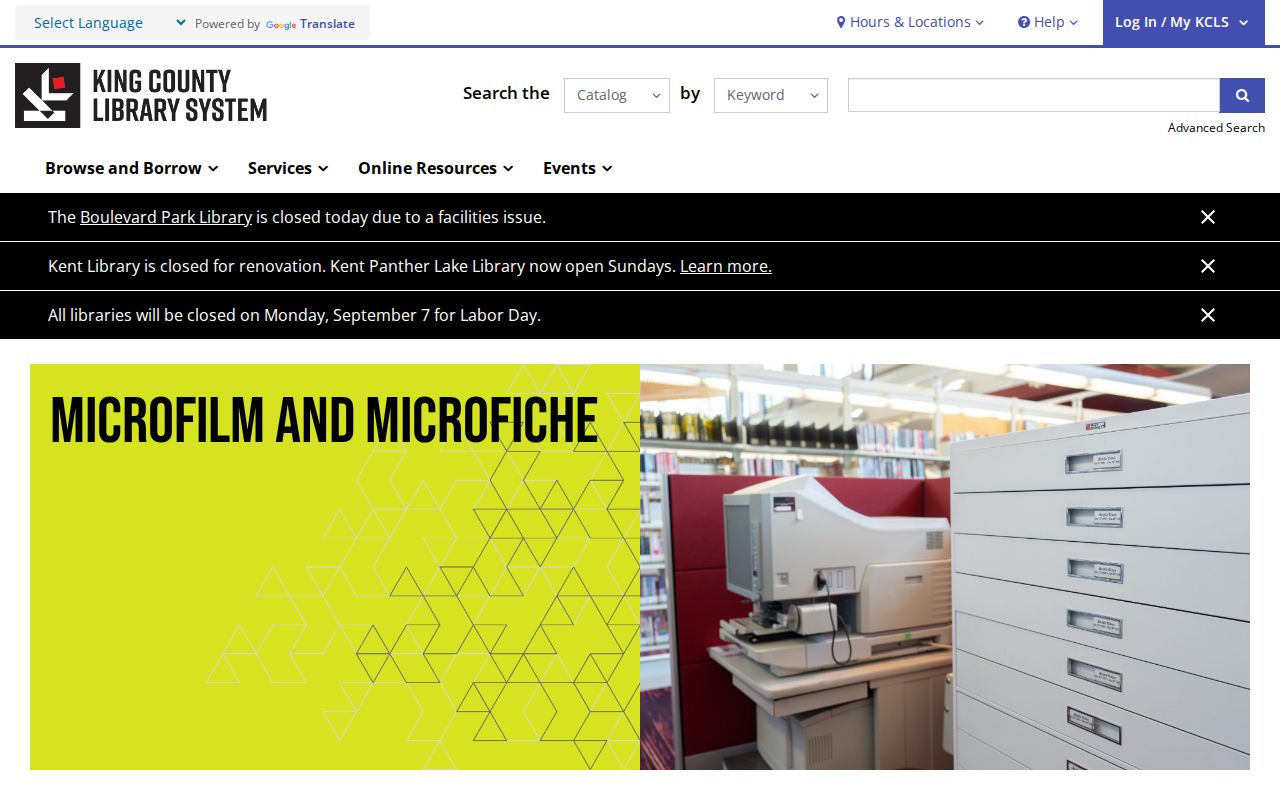
Microfilm is a second access channel when an online scan is absent or hard to read. Selected census reels and Washington census rolls can add household context.
Trace Families in Issaquah Directories
City directories work best as a bridge between dated records. Begin with one confirmed person and a narrow year range. Keep the printed spelling, address, work, spouse, and community in your notes, then test each change in a source made for a different purpose.
- Find the alphabetical entry and copy its page and marks.
- Check the nearest earlier and later Polk volumes.
- Compare the household with released 1910 through 1950 census schedules.
- Search local newspapers for moves, deaths, and family events.
- Confirm key facts with parcel, deed, cemetery, or probate records.
A disappearance may mean a move, death, spelling shift, missed publication, or listing under a spouse. Federal census geography also differs from directory order. The latest released federal census was 1950 at the research date because schedules open after 72 years. Later Polk years and newspapers carry the trail forward.
Search Gilman in Issaquah Directories
Older Issaquah records need more than the modern name. The place was called Squak, became Gilman with railroad development, incorporated as the Town of Gilman in 1892, and became Issaquah in 1899. The same family may sit under different place terms without moving.
| Early terms | Try Squak and Squak Valley. |
|---|---|
| 1892 | Search Town of Gilman civic records. |
| 1899 onward | Keep both Gilman and Issaquah in searches. |
This insider tip also helps with newspaper captions and business names. Search a surname with each place form before concluding that an Issaquah city directory has no match.
Issaquah Directory Help in Person
The David J. Horrocks Memorial Research Center at Gilman Town Hall is the local handoff when a search stops. Its library, Press files, documents, oral histories, and more than 40,000 photos and artifacts can connect a name to a place. Visits are by appointment Monday through Friday at 165 SE Andrews Street. Call 425-392-3500 or email info@issaquahhistory.org. Special research may carry a fee.
The museum access page explains the appointment route.
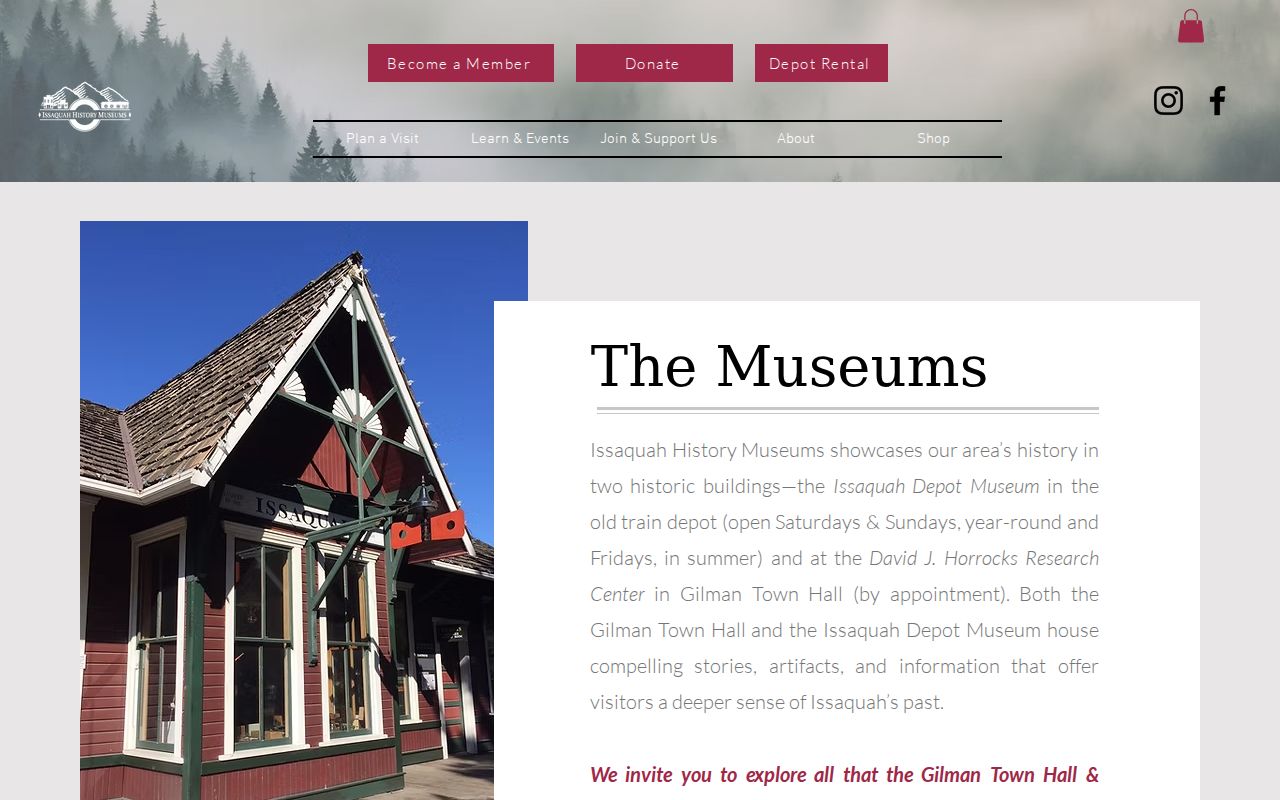
Give staff a surname, address, date range, school, business, neighborhood, or landmark. That is far more useful than a broad request for everyone in a family.
Use Issaquah Library Resources
The KCLS Issaquah branch at 10 W Sunset Way offers computers, printers, a scanner, copier, Wi-Fi, and study space. Call 425-392-5430. Some databases require a library card and PIN, and access can change. The branch is a research station, not a patron directory.
The Issaquah Library page records the city's first public library in 1908 and the current building's 2001 opening.
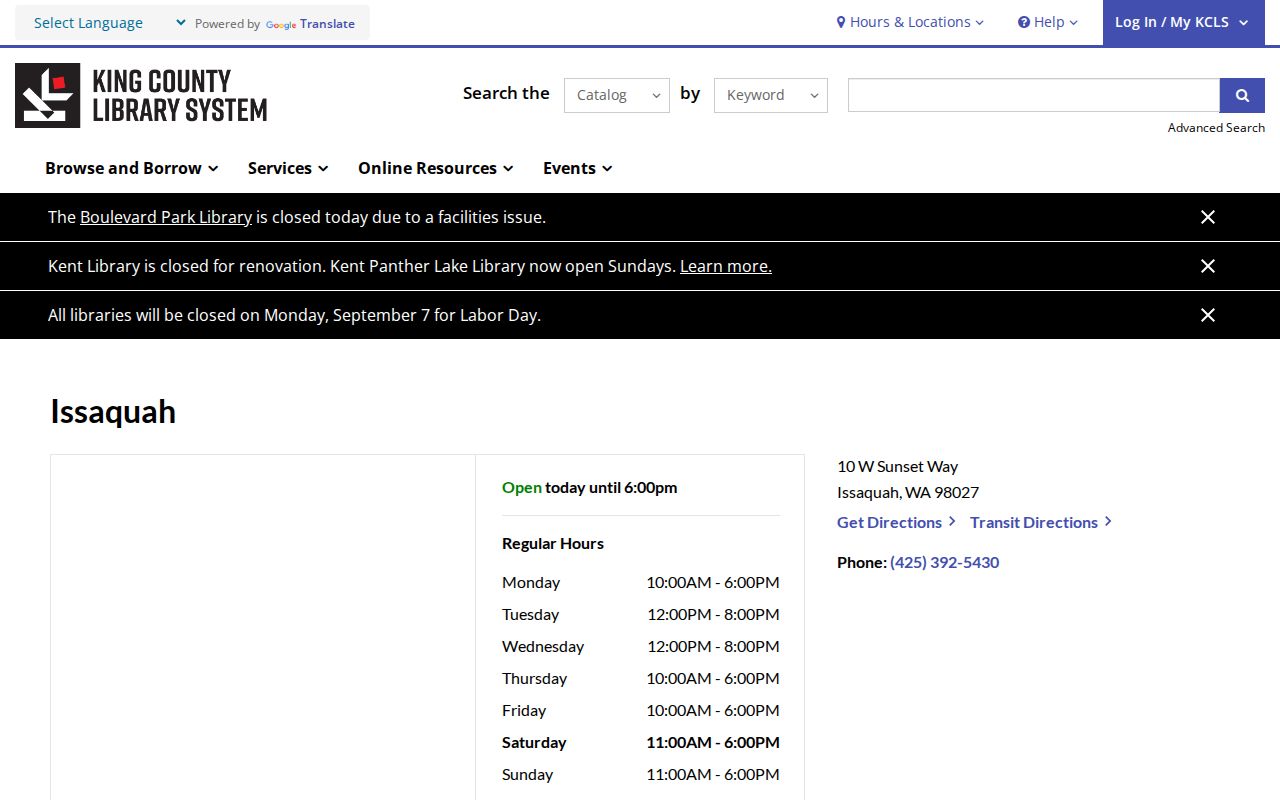
Library equipment can help capture a film citation or reach a licensed database. Patron records are protected under Washington law and do not form a resident list.
Confirm Issaquah Directory Findings
A city directory gives a snapshot, not a final answer. Property Record Cards at PSRA cover 1937 through 1972 and can add a building photo, assessment, construction note, sketch, parcel, or ownership clue. They are keyed by parcel or legal description rather than a modern address, and they do not always name every taxpayer or builder. The PSRA branch guide also lists territorial censuses, school censuses, voter registers, marriage material, and assessment rolls with their own gaps.
For a death lead, the Washington Digital Archives Hillside Cemetery index contains 3,397 people and visible marker death dates from 1890 through 2012. It reflects stones transcribed in 2012, so unreadable or unmarked graves may be missing. An obituary or marker should be checked against a certificate or probate file when the precise relationship or date matters.
UW Special Collections is another route for city directories, phone books, atlases, newspapers, and manuscripts. No exact Issaquah shelfmark or reverse-directory run was verified in the research. Ask for the catalog record, date, and reproduction terms. Keeping that gap visible prevents a regional lead from being mistaken for a complete local shelf.
Record the access date with each Issaquah finding. Catalog notes can change as museum volunteers add names and context, while archive hours and database access can shift. A stable citation should retain the repository, collection, item or volume, year, page, and the exact search terms used.